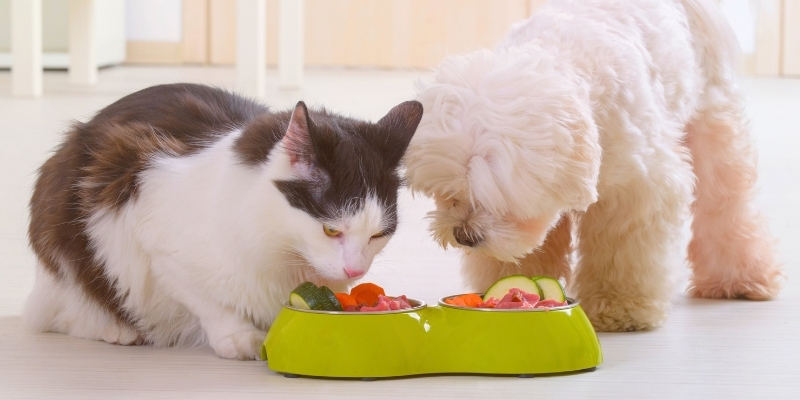
While some dogs and cats seem able to eat almost anything, others appear to just need a sniff of a wayward snack to get an upset tummy!
Here are our team’s top tips for helping to keep every pet’s gut on the straight and narrow, with enthusiastic eating and perfect poos!
Picking the right diet
For every dog and cat, a complete and balanced diet that is appropriate for their life stage is a must. Dietary consistency is also important, with many pets getting an upset tummy with sudden dietary switches.
However, pets with sensitive tummies or other types of digestive issues may also do better with a (gradual) transition to a prescription diet.
The best dietary option will sometimes require a bit of careful trial and error under the supervision of our knowledgeable vets, but will often involve:
- For sensitive tummies: an easily digestible diet with added prebiotics such as psyllium husk, cooked pumpkin or beet pulp
- For pancreatitis: a low-fat diet with a fat content (on a dry matter basis) below 15%, or below 8% for severe cases
- For food allergies: a hypoallergenic diet, containing either hydrolysed proteins or a single type of novel (new) protein, and easily digestible carbohydrates
Ensuring appropriate deworming
Did you know that recent soil sampling from public parks around Australia shows that gastrointestinal worms are still very much about (with at least one type of parasite found in 44% of the samples)?
For this reason, we recommend keeping up with a regular, thorough deworming protocol for your pet if they go out and about. For advice on safe and effective products that will target all the common worms, consult our team.
Encouraging hydration
Constipation can be an issue for some pets, particularly those with chronic health issues such as:
– Chronic kidney disease, which can lead to drier gut contents
– Arthritis, which makes it harder for them to get to their toileting location as frequently and/or makes it difficult for them to squat properly
– Obesity
These pets can benefit from a concerted effort to increase their day-to-day hydration through measures such as introducing pet drinking fountains, transitioning them to a moist food diet, or regularly offering pet-safe broths.
Some pets may also do better with the gradual addition of soluble fibre supplements or prebiotics such as unflavoured psyllium husk or plain cooked pumpkin.
Monitoring your pet’s gut health signs
Checking a pet’s poos is no-one’s favourite job, but their poos can be an important indicator of their gut health, along with their appetite, their degree of “gassiness”, their weight and general condition, and other symptoms such as burping, regurgitation or vomiting.
If you think your dog or cat is showing signs of poor gut health, it’s a good idea to book them for a check-up with one of our knowledgeable vets. We’ll be able to examine them thoroughly, collect a detailed history, and then advise you on any recommended testing, treatments or supplements, such as probiotics, prebiotics, fibre supplements, and more!